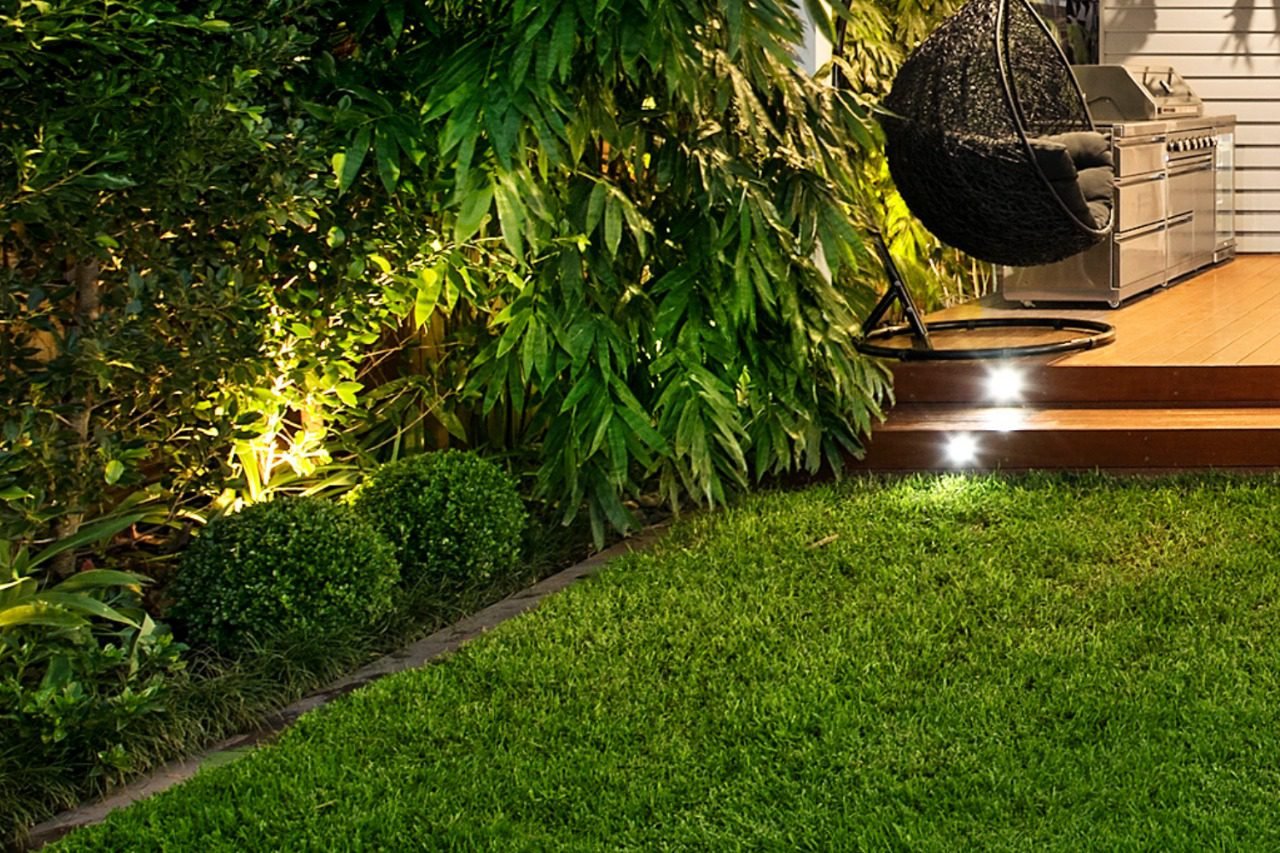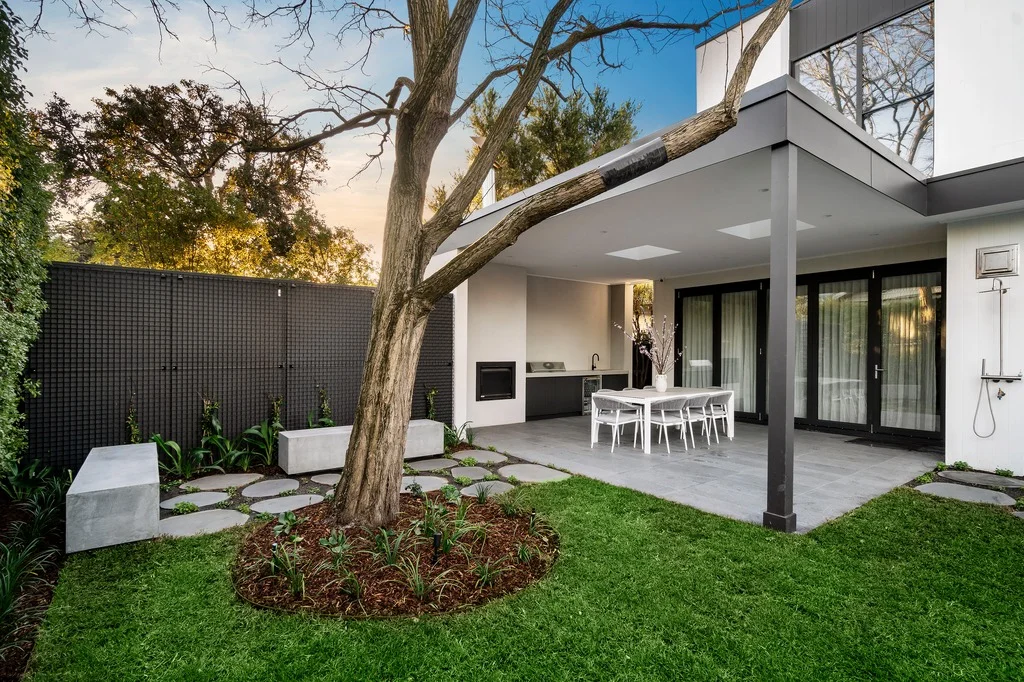

A beautiful landscape should do more than enhance the appearance of your property—it should work with nature, not against it. As environmental concerns grow and water resources become more precious, sustainable landscape design has emerged as the smarter way to create outdoor spaces that are attractive, functional, and environmentally responsible.
Whether you’re designing a residential garden, a commercial property, or a public outdoor space, sustainable landscaping allows you to enjoy a thriving landscape without compromising on style or performance. By making thoughtful choices about plants, materials, water management, and maintenance, you can create an outdoor environment that supports biodiversity, conserves natural resources, and stands the test of time.
What is Sustainable Landscape Design?
Sustainable landscape design is the practice of planning, building, and maintaining outdoor spaces in ways that minimise environmental impact while maximising long-term performance. Rather than relying on excessive irrigation, chemical treatments, or high-maintenance plants, sustainable landscapes work in harmony with the local climate and ecosystem.
The goal is simple: create landscapes that require fewer resources, generate less waste, and continue to flourish naturally throughout the seasons.
A sustainable landscape doesn’t sacrifice beauty. Instead, it enhances the natural character of a property while creating healthier outdoor spaces for people, wildlife, and future generations.
Why Sustainable Landscaping Matters
Traditional landscaping often prioritises appearance over efficiency. Large lawns, exotic plants, and inefficient irrigation systems may look appealing initially, but they can consume enormous amounts of water, require frequent maintenance, and contribute to environmental degradation.
Sustainable landscape design offers a better approach by focusing on long-term environmental and economic benefits.
Some of the biggest advantages include:
- Lower water consumption
- Reduced maintenance costs
- Healthier soil
- Improved biodiversity
- Lower carbon footprint
- Better resilience during droughts
- Increased property value
- Enhanced outdoor comfort
For homeowners and businesses alike, investing in sustainable landscaping means creating outdoor spaces that remain attractive while reducing ongoing maintenance and operational costs.
Start with Smart Planning
Every successful sustainable landscape begins with careful planning.
Before selecting plants or installing hardscapes, it’s essential to understand the site’s natural conditions, including:
- Soil quality
- Sun and shade patterns
- Existing vegetation
- Drainage
- Wind exposure
- Rainfall
- Local climate
Designing around these existing conditions reduces the need for unnecessary modifications and creates a landscape that naturally thrives.
At Forever Green HCS, every project starts with a comprehensive site assessment, allowing our designers to create customised landscape solutions that suit both the environment and the client’s vision.
Choose Plants That Belong
One of the foundations of sustainable landscaping is selecting plants suited to the local environment.
Native and climate-adapted species require significantly less maintenance because they have evolved to thrive under local conditions.
Benefits include:
- Lower watering requirements
- Greater resistance to pests
- Reduced fertiliser needs
- Better survival during dry seasons
- Support for local wildlife and pollinators
Rather than forcing exotic plants to survive, sustainable design embraces vegetation that naturally flourishes in the surrounding landscape.
The result is a healthier garden that requires less effort to maintain while providing year-round beauty.
Make Water Conservation a Priority
Water is one of the most valuable resources in landscape design.
A sustainable landscape is designed to capture, conserve, and efficiently use every drop.
Effective water-saving techniques include:
- Drip Irrigation: Instead of spraying water across large areas, drip irrigation delivers moisture directly to plant roots, dramatically reducing evaporation.
- Rainwater Harvesting: Collecting rainwater for irrigation reduces reliance on municipal water supplies while making landscapes more resilient during dry periods.
- Mulching: Organic mulch helps retain soil moisture, suppress weeds, regulate temperature, and improve soil quality over time.
- Hydrozoning: Grouping plants according to their water requirements ensures that irrigation is only applied where needed, eliminating unnecessary waste.
Together, these strategies create healthier landscapes while lowering water bills.
Build Healthy Soil Naturally
Healthy landscapes begin beneath the surface.
Rich, living soil improves plant growth, increases water retention, and supports beneficial microorganisms.
Rather than depending on synthetic fertilisers, sustainable landscaping focuses on natural soil improvement through:
- Compost
- Organic mulch
- Natural soil conditioners
- Reduced soil disturbance
- Proper aeration
Healthy soil not only strengthens plants but also helps reduce erosion and improve drainage across the entire landscape.
Reduce Traditional Lawn Areas
Lawns can be beautiful, but they are often the most resource-intensive part of a landscape.
Large turf areas typically require:
- Frequent mowing
- High water usage
- Fertilisers
- Weed control
- Ongoing maintenance
Modern sustainable landscapes often replace portions of lawn with:
- Native planting beds
- Ornamental grasses
- Ground covers
- Decorative stone
- Permeable paving
- Pollinator gardens
These alternatives reduce maintenance while creating visually dynamic outdoor spaces.
Design Hardscapes That Work With Nature
Hardscaping plays an important role in sustainable landscape design.
Walkways, patios, retaining walls, and outdoor living spaces should complement the natural environment rather than disrupt it.
Environmentally responsible hardscape materials include:
- Natural stone
- Recycled concrete
- Reclaimed timber
- Permeable pavers
- Locally sourced materials
Permeable paving is particularly valuable because it allows rainwater to soak into the soil instead of creating stormwater runoff.
This helps reduce flooding while naturally replenishing groundwater supplies.
Encourage Wildlife and Biodiversity
A sustainable landscape supports far more than plants.
Birds, butterflies, bees, and beneficial insects all contribute to a healthier ecosystem.
Simple ways to encourage biodiversity include:
- Plant flowering species throughout the year
- Include native shrubs and trees
- Create layered planting designs
- Avoid excessive pesticide use
- Add water features for wildlife
- Install bird-friendly landscaping
These small design choices create thriving outdoor environments that benefit both nature and people.
Embrace Smart Landscape Technology
Technology has transformed modern landscaping.
Smart irrigation controllers automatically adjust watering schedules based on weather conditions and soil moisture, reducing waste while keeping plants healthy.
Other sustainable innovations include:
- LED landscape lighting
- Solar-powered outdoor lighting
- Automated irrigation sensors
- Weather monitoring systems
These technologies improve efficiency while lowering long-term operating costs.
Sustainable Landscaping Saves Money
Many people assume sustainable landscaping costs more.
In reality, it often becomes significantly more economical over time.
Because sustainable landscapes require:
- Less water
- Less mowing
- Fewer chemicals
- Reduced maintenance
- Healthier plants
- Longer-lasting materials
Property owners enjoy substantial savings year after year.
The landscape continues improving while maintenance costs continue decreasing.
Common Mistakes to Avoid
Even well-intentioned landscape projects can become unsustainable if they’re poorly planned.
Avoid these common mistakes:
- Selecting plants that don’t suit the climate
- Overwatering landscapes
- Installing excessive lawn areas
- Using non-permeable paving everywhere
- Ignoring drainage issues
- Relying heavily on chemical fertilisers
- Neglecting soil health
Professional planning helps eliminate these issues before construction begins.
How Forever Green HCS Delivers Sustainable Landscape Solutions
At Forever Green HCS, sustainability is built into every landscape we design.
Our experienced team combines innovative design principles with environmentally responsible practices to create outdoor environments that remain beautiful, practical, and resilient for years to come.
Our sustainable landscape services include:
- Custom landscape design
- Water-efficient irrigation systems
- Native and drought-tolerant planting
- Eco-friendly hardscape installation
- Soil improvement strategies
- Commercial and residential landscaping
- Landscape renovation and maintenance
Every project is tailored to the property’s unique conditions, ensuring optimal performance with minimal environmental impact.
Whether you’re transforming a residential backyard or developing a large commercial property, Forever Green HCS creates landscapes that balance beauty, functionality, and sustainability.
Final Thoughts
Sustainable landscape design is about making smarter choices—not compromising on beauty.
From selecting native plants and conserving water to improving soil health and encouraging biodiversity, every design decision contributes to a healthier outdoor environment.
The result is a landscape that requires fewer resources, costs less to maintain, supports local ecosystems, and continues to thrive for decades.
If you’re ready to create an outdoor space that’s both stunning and sustainable, Forever Green HCS is here to help. Our expert team designs landscapes that not only look exceptional but also contribute to a greener, more sustainable future.
Frequently Asked Questions
1. What is sustainable landscape design?
Sustainable landscape design is the practice of creating outdoor spaces that conserve water, protect natural resources, improve biodiversity, and minimise long-term environmental impact while maintaining aesthetic appeal.
2. Does sustainable landscaping cost more?
Although the initial investment may vary depending on the project, sustainable landscapes generally reduce long-term costs through lower water usage, reduced maintenance, and fewer plant replacements.
3. Which plants are best for sustainable landscaping?
Native and climate-appropriate plants are ideal because they require less water, fewer fertilisers, and minimal maintenance while supporting local wildlife.
4. How can I reduce water usage in my landscape?
Installing drip irrigation, harvesting rainwater, applying organic mulch, and selecting drought-tolerant plants are among the most effective water-saving strategies.
5. Is sustainable landscaping suitable for commercial properties?
Yes. Commercial landscapes benefit from lower operating costs, improved environmental performance, enhanced curb appeal, and stronger sustainability credentials.
6. Can sustainable landscaping increase property value?
Absolutely. Attractive, low-maintenance, environmentally responsible landscapes improve curb appeal and are increasingly valued by homebuyers and commercial property investors.
7. Why choose Forever Green HCS?
Forever Green HCS combines creative landscape design with sustainable construction practices to deliver outdoor spaces that are beautiful, practical, and environmentally responsible. From residential gardens to large commercial developments, our team creates tailored landscaping solutions that provide lasting value while supporting a greener future.